Portfolio Partner Profile
FairTrade Access Fund
The Fairtrade Access Fund (FAF) was launched in 2012 by Incofin Investment Management, the German Development Bank KfW (on behalf of the German federal Government), and Fairtrade International, to close a critical gap in smallholder finance. FAF is an evergreen debt fund that invests in producer organizations, agri-entreprises, and agri-focused microfinance institutions across Latin America, Africa and Asia. The fund provides trade finance, working capital, and long-term loans with hands-on technical assistance with Incofin Investment Management serves as the Fund's dedicated advisor.
In 2025, the Fund disbursed $100 million across 44 investees in 17 countries, reaching 545,850 smallholder farmers, 86% of whom farm fewer than 12 acres. Since inception, FAF has invested over $675 million in more than 146 investees. The Fund works across three pillars: connecting farmers to evolving markets, improving farmer incomes, and building climate resilience, including through Payments for Ecosystem Services (PES) that compensate farmers for the environmental value they create.
Featured Impact Story
Impact Story
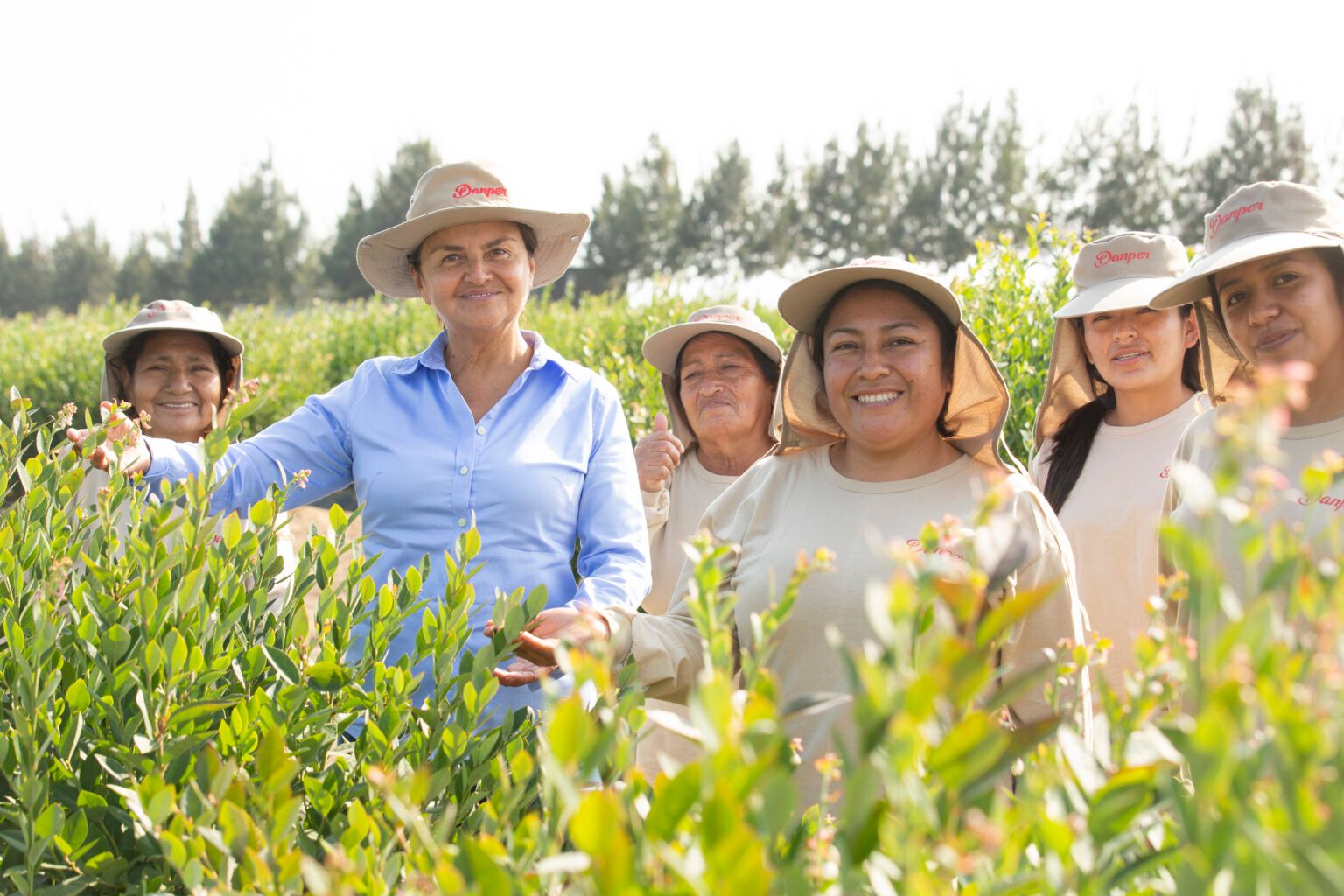
Danper, Peru - Diversification that holds through climate shocks
Danper was founded in 1994 by Rosario Bazán with $2.5 million and fewer than 100 workers. From the start, Rosario ran Danper with one operating rule: create economic value and social value at the same time. The business has since grown into an agri-enterprise with roughly $400 million in revenue and over 14,000 workers (around 50% women). Smallholder farmers are key to Danper's business and allow it to grow, with roughly 40% of the company's fruits and vegetables supplied by smallholders. Danper provides various benefits to its workers including the following four ways:
- Many employees never had the chance to finish school when they were young. Danper brings school into the plant through a formal alliance with Peru’s Ministry of Education, so adults can complete elementary and secondary education at night or online – without stepping away from a paycheck.
- The company also provides training and coaching on the farm with transparent performance-linked pay. Workers can check their daily crop weights and pay in an open app.
- Danper operates health stations, invests in equipment like ultrasound machines, and brings care close to where people work.
- Danper made physiotherapy part of operations and instituted mandatory “active pauses.” Twice a day, at the same time, everyone stops what they’re doing and does guided exercises to prevent muscle contraction. Immediate treatment for aches keeps people healthy and on the job.
Smallholder farmers put food on our tables, yet many lack food security themselves. Danper imports seeds and delivers small plants grown in their greenhouses directly to small farmers, who rely on subsistence agriculture. It teaches them how to increase their yield, so they can become part of the middle economic class. Farmers appreciate that Danper respects contracts and pays the right price – in line with what Danper receives as a producer itself.
Impact Story
Equation Coffee, Colombia - Restoring soils with biochar
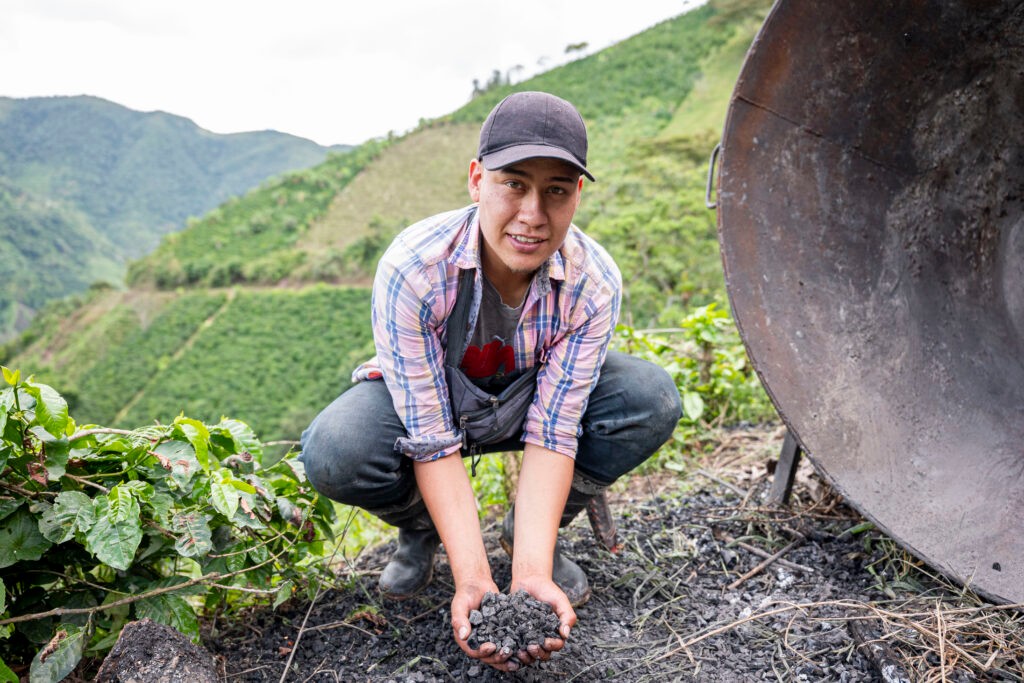
In Colombia's coffee belt, farmers work to keep the soil healthy, retain water, and store carbon, which largely goes unpaid. Equation Coffee, a specialty coffee exporter working with more than 1,300 smallholder producers using a regenerative agriculture model, is changing that. Together with its partners, Equation converts coffee prunings into biochar, a charcoal like material that improves soil fertility and water retention while locking carbon away. The biochar is produced at farm level and returned to the farmer who generated it, so the benefits stay with the smallholders themselves. The goal is to embed regenerative practices at scale, strengthen soil health and farmer income, and build the systems that allow Equation to access both premium markets and, where appropriate, carbon revenues. Under FAF's Payment for Ecosystem program, Equation Coffee receives technical assistance through the CGIAR Hub for Sustainable Finance as well as long-term impact-linked financing.
Impact Story
Aldea Coffee, Nicaragua - Carbon income from agroforestry
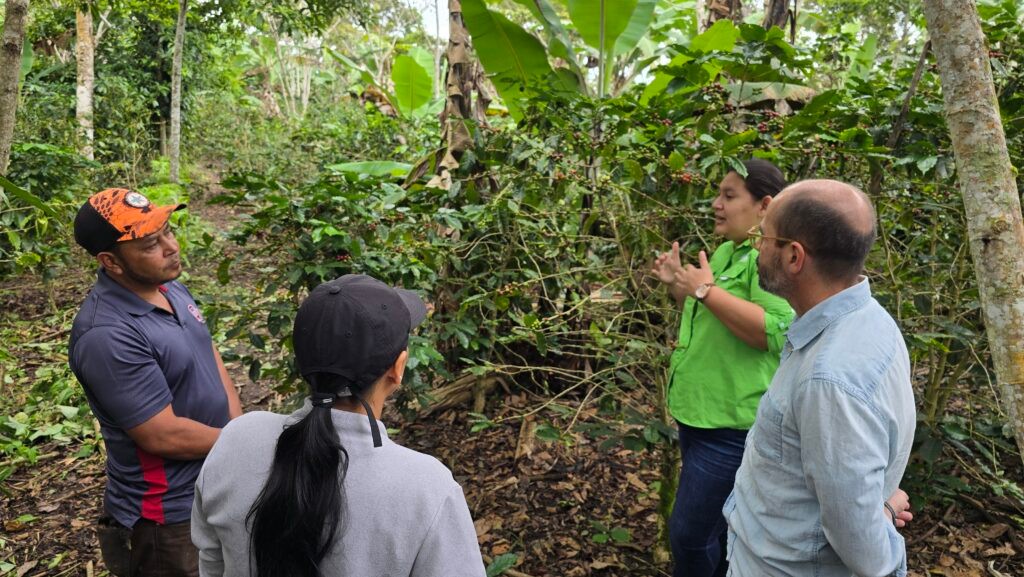
Aldea is one of the largest producer associations in Latin America with more than 20,000 smallholder members. It has integrated over 2,500 producers into voluntary carbon markets through coffee agroforestry since 2021. Through this work, Aldea has supported the sequestration of more than 32,000 tonnes of carbon and channeled over $900,000 in ecosystem-service payments back to farmers. Participating producers earn roughly $400 in additional annual income from carbon credits, income that arrives independently of the coffee price.
FAF's six-year financing will help Aldea scale this model, supporting the maintenance, renovation and expansion of coffee agroforestry systems across Jinotega, Matagalpa, and surrounding regions. The goal is to deepen the model, increase producers and hectares under agroforestry, and establish a broader set of sustainable practices including intercropping, forest preservation, and soil testing – all delivered through the services Aldea has built over years.
Impact Story
Sarvodaya Development Finance, Sri Lanka - Rural infrastructure within walking distance
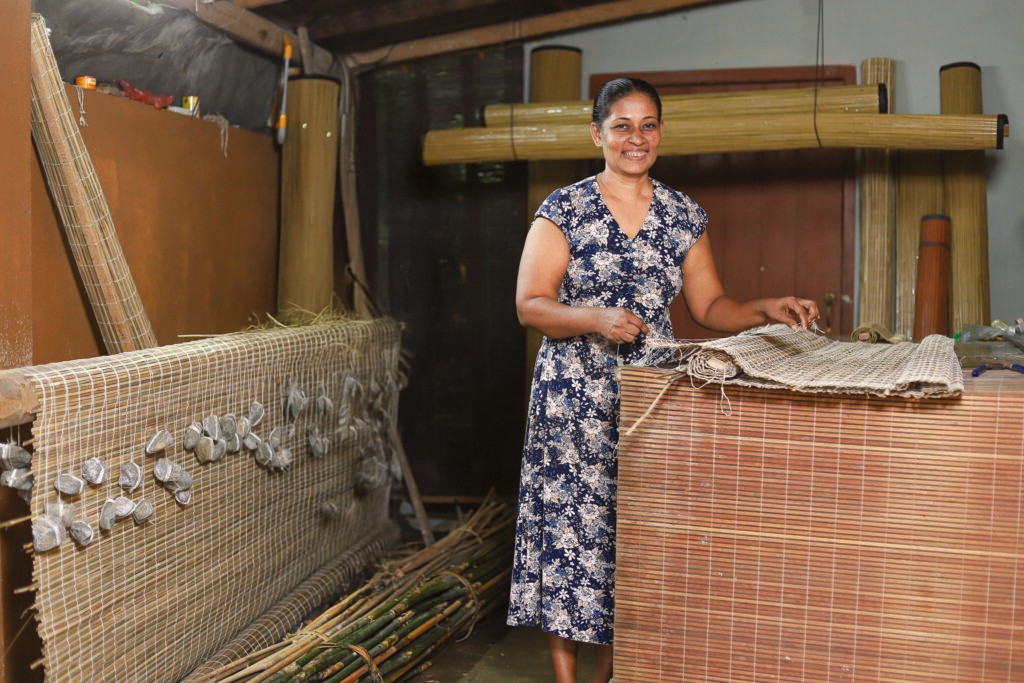
In rural Sri Lanka, manual paddy harvesting takes five people a full day, and paying a utility bill can mean a trip to town, requiring additional time and resources. Sarvodaya Development Finance (SDF), a finance company rooted in a 65-year-old movement built on keeping village money in the village, is closing both gaps. SDF has financed more than 2,800 tractors and harvesters, cutting that full day of harvesting to eight minutes. SDF has also equipped 150 village societies with handheld payment devices that turn each one into a small financial hub for bills and insurance premiums. Through the national LankaPay network, clients can reach 4,500 ATMs. With 56 branches, 175,000 clients, and links to over 1,200 village societies (more than 80% of whose members are women), SDF shows how FAF's financing of agri-focused financial institutions makes infrastructure and financial services accessible to smallholder farmers.
Impact Story
The Village Nut, Kenya - The promise in the shell
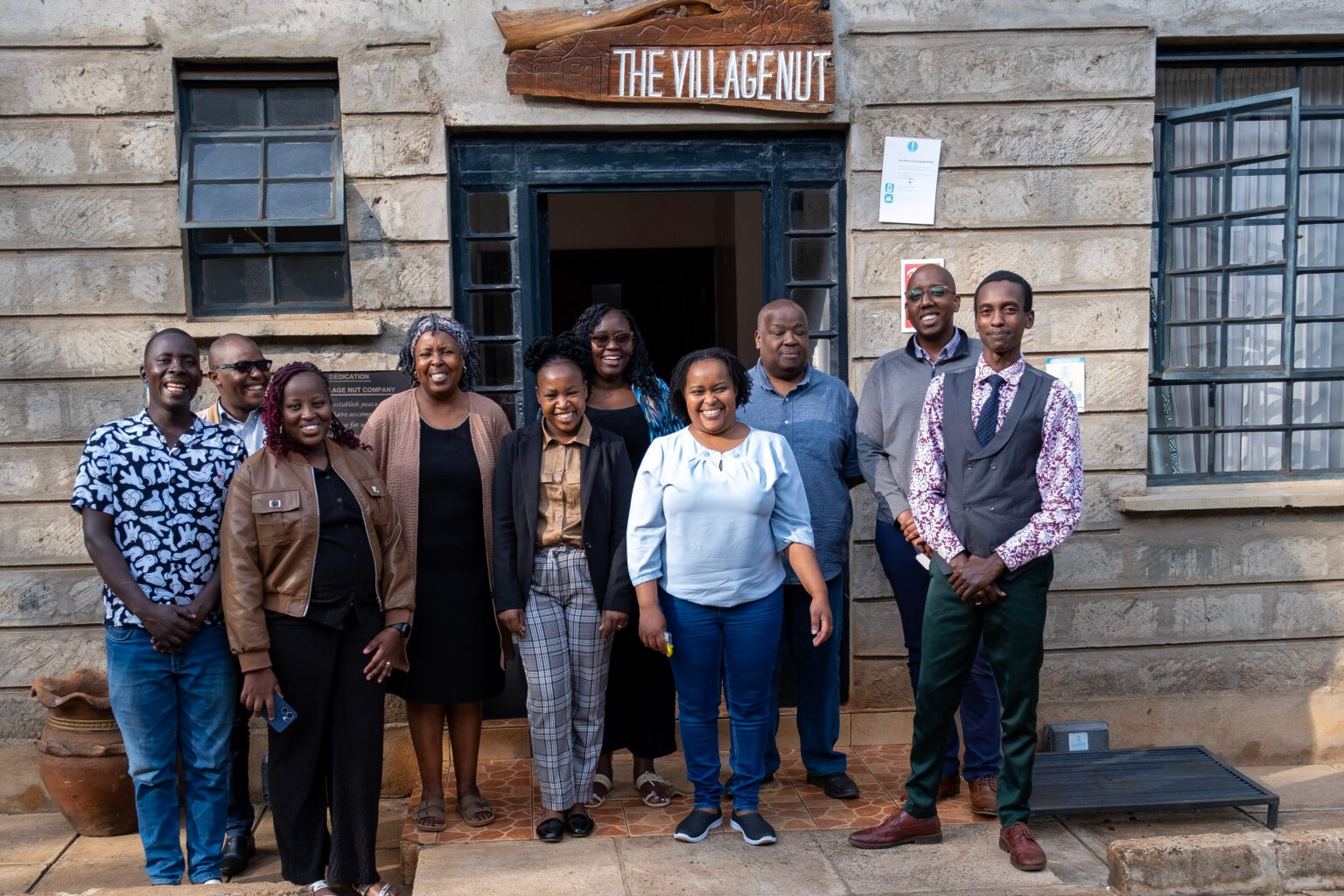
In Nyeri, Kenya, a retired teacher known simply as 'grandmother' urged her neighbors to plant macadamia trees as a safety net for their children. When she passed away in 2013, her six children returned home and built a macadamia processing factory, The Village Nut. Well over a hundred of the individuals their grandmother impacted over the years all showed up to work hauling stones, mixing mortar, and setting beams. By 2014, those same young people became the factory's first employees. Today The Village Nut works with over 6,000 smallholder farmers, trains roughly 2,000 farmers each year, keeps crop defect rates below 1%, and pays farmers on time, every time.
The company has become the village’s largest employer outside the government, offering 180–200 seasonal roles and a core team of 86 women and 92 men. Employees are paid equally for equal roles and above the legal minimum. Nearly 90% walk to work from nearby homes. A warm, nutritious free lunch is offered on shift for everyone, and an on-site day care with trained caregivers allows parents, especially mothers, to work without worry. New hires learn food safety and quality until it’s reflex, then return for regular refresh tranings. Everyone also cycles through practical life courses—personal financial management, equal treatment & anti-harassment, grievance awareness, and health & wellbeing (including substance-use education).
At The Village Nut they understand that a paycheck without skills is a short bridge. Talent grows from within as 80–90% of roles are entry-level (non-skilled), most employees become fully proficient by two months, and many rise into senior operators and line leads over time through cross-training and supervisor mentorship. The macadamia window is short and the off-season is long. The Village Nut cushions that gap with a 13th-month salary and is actively seeking ways to implement innovative pay and reward models to spread part of annual earnings across the lean months so families can survive financially between harvests and have at least some financial stabilities between seasons.
The Village Nut is keen to explore the latest technology and innovative ways to support families. Their dream is to establish a small education center beside the day care, fully digitized operations (retiring the notebooks at last), tighter production optimization, and new ways to turn macadamia shells into biofuel—a model already proving itself elsewhere.
The information presented is provided by our portfolio partners for general informational purposes only. We have not independently verified for accuracy or completeness. The testimonials presented reflect the personal experiences and opinions of portfolio partners and their investees, and do not guarantee the same results for others.

 Sustainable Agriculture